

Key Takeaways
Annual Wellness Visit
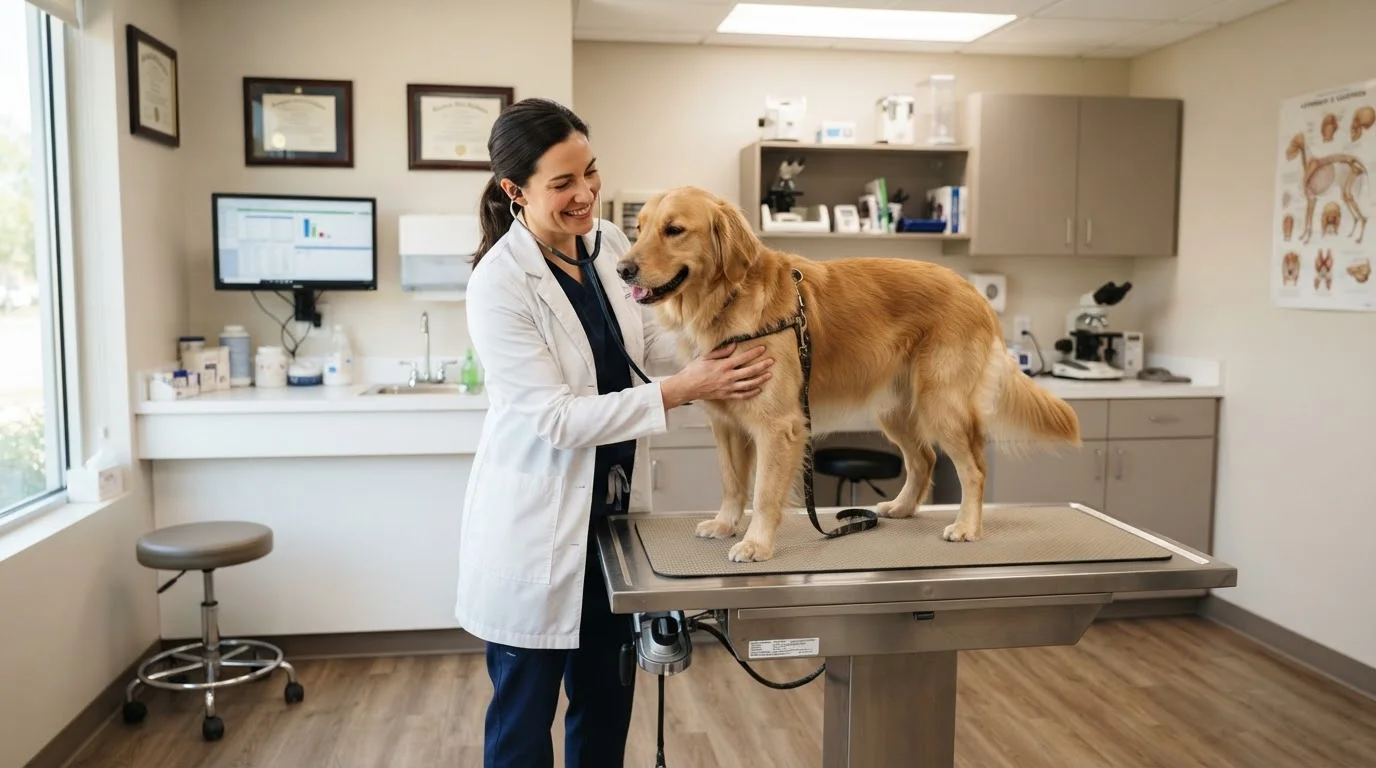
An annual wellness visit is a scheduled, routine checkup with a licensed veterinarian designed to assess your pet's overall health - even when nothing seems wrong. It typically includes a physical exam, weight check, vaccine review, and parasite screening. The goal is to catch developing problems early, when they're easier and less expensive to treat.
Veterinarians use the term 'wellness exam' to distinguish these visits from 'sick visits' - the former is preventive in nature and follows a structured protocol; the latter is diagnostic and reactive.
What the Vet Is Actually Checking
A wellness exam follows a consistent, head-to-tail structure. Your vet isn't just running through a checklist - they're building a picture of your pet's baseline health that future visits will be measured against.
The exam typically covers:
- Weight and body condition: Unexpected weight gain or loss is often the first measurable sign of metabolic disease, organ dysfunction, or inadequate nutrition.
- Eyes, ears, and nose: Discharge, cloudiness, or asymmetry can indicate infection, allergies, or early neurological changes.
- Teeth and gums: Dental disease affects the majority of pets over age three and can contribute to systemic organ problems. Your vet will look for tartar, gum recession, and loose teeth. For a deeper look at why this matters, see our article on dental health in dogs and cats.
- Heart and lungs: Auscultation (listening with a stethoscope) can reveal murmurs, arrhythmias, or abnormal breath sounds.
- Abdomen: Palpation helps detect organ enlargement, masses, or discomfort the pet might not otherwise show.
- Skin and coat: Texture, hair loss patterns, and lesions can reflect allergies, hormonal imbalances, or parasites.
- Lymph nodes and joints: Swelling or pain may indicate infection, inflammation, or early arthritis.
Ask About Parasite Screening at Booking
When you schedule your pet's wellness visit, ask the clinic whether a fecal sample or heartworm test should be brought or prepared in advance. Some tests require fresh samples collected the morning of the appointment. Knowing ahead of time means you won't need a separate follow-up visit.
Parasite screening - including heartworm testing for dogs and fecal exams for intestinal parasites - is often part of the wellness visit or recommended alongside it. These tests can catch problems before your pet shows any discomfort.
Why Skipping Visits Costs More Later
The math on preventive care is straightforward: conditions caught early are almost always cheaper to treat than those identified after they've progressed. A heart murmur found at a routine exam may be managed with monitoring and medication. The same condition discovered during an emergency visit - after the pet is in respiratory distress - involves significantly higher costs and worse outcomes.
~70%
Dogs over age 3 with dental disease
The American Veterinary Medical Association notes that dental disease is among the most commonly diagnosed conditions in companion animals, often detectable at routine wellness exams.
2-3x
Higher treatment cost for late-stage vs. early-stage disease
Veterinary health economists consistently find that reactive emergency or specialist care for advanced disease costs significantly more than early intervention enabled by preventive exams.
The same logic applies to dental disease, kidney disease, diabetes, and several cancers - all conditions that develop gradually and are far more manageable when detected early. Annual exams provide the continuity of care that makes early detection possible.
Budget-conscious owners sometimes view the wellness visit as optional when finances are tight. If cost is a real barrier, ask your veterinary clinic about payment plans, look into low-cost clinic options in your area, or explore whether pet health insurance makes sense for your situation. Skipping the exam entirely tends to shift - not eliminate - the cost.
How to Make the Most of Your Appointment
A wellness visit is more useful when you arrive prepared. Vets can only work with what they observe and what you tell them - and because pets behave differently at clinics than at home, your observations fill in critical gaps.
Before your appointment, make notes on:
- Any changes in eating, drinking, or bathroom habits
- New behaviors or changes in energy level
- Lumps, limping, or anything you've noticed during grooming
- Current medications, supplements, or dietary changes
Learning to read your pet's body language between visits also helps you recognize when something is worth flagging. Subtle cues - changes in posture, reluctance to jump, or altered grooming habits - often precede visible symptoms by weeks.
As pets enter their senior years, these conversations become even more important. Most veterinary guidelines recommend moving to biannual exams for older pets. Our guide on senior pet care outlines what changes to expect and why more frequent checkups matter at that stage.
This article is for general informational purposes only and does not constitute veterinary advice. Always consult a licensed veterinarian for guidance specific to your pet's health needs.