

Key Takeaways
Significantly lower flight and hotel prices
Demand-driven pricing means off-season travelers often pay materially less for the same flights and properties. The gap between peak and low season rates can reach 30-50% at popular destinations.
Far fewer crowds at major attractions
Sites that require timed-entry reservations or long queues in peak season are frequently accessible without advance planning in the off-season, changing the experience meaningfully.
More authentic interaction with local culture
When a destination isn't overrun with visitors, local rhythms reassert themselves - markets, restaurants, and neighborhoods feel less staged and more genuine.
Greater availability and negotiating room
Hotels and tour operators facing lower occupancy are more willing to accommodate requests, upgrades, or flexible check-in arrangements that wouldn't be considered at peak demand.
Less pressure and a slower travel pace
With shorter queues and quieter streets, off-season trips naturally allow more time per experience rather than rushing to see everything before the next tour group arrives.
Weather risk is significantly higher
Off-season timing frequently coincides with a destination's least favorable climate conditions - whether that's monsoon rain, hurricane season, or persistent overcast. This can directly limit what you're able to do.
Seasonal business closures reduce options
Restaurants, museums, tour operators, and transport services tied to tourist demand may close partially or entirely during low season, sometimes without clear advance notice online.
Tour and activity minimums may not be met
Operators who run group tours or scheduled departures often cancel if bookings fall below a minimum threshold, leaving travelers with planned activities that don't materialize.
Reduced staffing affects service quality
Properties operating at low occupancy often cut staff to a maintenance level, which can mean slower service, limited amenities, and less responsiveness to issues during your stay.
Some destinations become genuinely inaccessible
Roads, ferry routes, and regional transit that operate reliably in peak season may run on reduced schedules or close entirely in low season, limiting where you can go independently.
Savings can be partially offset by limited competition
When fewer businesses are operating, those that remain open face less price pressure. In some cases, the reduced competition means off-season prices for food and local services don't drop as much as accommodation does.
Our Verdict
Off-season travel is a genuinely effective strategy for cutting costs, but it requires honest planning. The savings are real, and so are the trade-offs - closures, weather, and thinner tourism infrastructure can reshape a trip in ways that matter. Travelers who do destination-specific research and build in flexibility tend to get the most value from low-season windows.
Best for flexible, research-oriented travelers who prioritize savings and authentic local atmosphere over guaranteed sunshine and full tourist infrastructure.
What 'Off-Season' Actually Means
Off-season is not a universal calendar date - it shifts by destination, climate, and the type of traveler a place typically attracts. A beach resort in the Gulf Coast enters its slow period in late fall; a ski town in the Rockies goes quiet in May. European cities that overflow in July can feel subdued and local by November.
Most destinations have three informal tiers: peak season (highest demand, highest prices), shoulder season (transitional, moderate pricing and crowds), and low season (fewest visitors, lowest prices, most uncertainty). The shoulder season trade-offs are distinct enough from true low-season conditions that they're worth evaluating separately. Understanding which tier applies to your target destination - and why - is the first step in deciding whether off-season timing makes sense for your trip.
Shoulder Season Is Often the Practical Middle Ground
If true low-season conditions feel like too much of a gamble, shoulder season - typically the four to six weeks just before or after peak - captures most of the pricing benefits with fewer of the operational trade-offs. Many services remain open, weather is transitional rather than extreme, and prices haven't yet climbed to peak levels. For most budget travelers, shoulder timing represents the most reliable value window.
What You Gain
Significantly lower flight and hotel prices
Demand-driven pricing means off-season travelers often pay materially less for the same flights and properties. The gap between peak and low season rates can reach 30-50% at popular destinations.
Far fewer crowds at major attractions
Sites that require timed-entry reservations or long queues in peak season are frequently accessible without advance planning in the off-season, changing the experience meaningfully.
More authentic interaction with local culture
When a destination isn't overrun with visitors, local rhythms reassert themselves - markets, restaurants, and neighborhoods feel less staged and more genuine.
Greater availability and negotiating room
Hotels and tour operators facing lower occupancy are more willing to accommodate requests, upgrades, or flexible check-in arrangements that wouldn't be considered at peak demand.
Less pressure and a slower travel pace
With shorter queues and quieter streets, off-season trips naturally allow more time per experience rather than rushing to see everything before the next tour group arrives.
The financial case for off-season travel is straightforward. Flights and accommodation respond to demand, and when visitors stay home, prices drop. Hotels that are fully booked at $180 per night in July may run $90 in October at the same property. Airfare shows similar compression. These are not marginal differences - for a week-long trip, the cumulative effect on your budget can be substantial.
Beyond cost, low-season travel often changes the quality of the experience itself. Major attractions that require timed-entry tickets in summer may be walk-in accessible in the off-season. Restaurants are less rushed, staff less stretched. Interactions with locals feel less transactional. For travelers prioritizing atmosphere over convenience, that shift has genuine value. See our on-the-ground budget practices for more ways to capitalize on this flexibility once you arrive.
What You Give Up
Weather risk is significantly higher
Off-season timing frequently coincides with a destination's least favorable climate conditions - whether that's monsoon rain, hurricane season, or persistent overcast. This can directly limit what you're able to do.
Seasonal business closures reduce options
Restaurants, museums, tour operators, and transport services tied to tourist demand may close partially or entirely during low season, sometimes without clear advance notice online.
Tour and activity minimums may not be met
Operators who run group tours or scheduled departures often cancel if bookings fall below a minimum threshold, leaving travelers with planned activities that don't materialize.
Reduced staffing affects service quality
Properties operating at low occupancy often cut staff to a maintenance level, which can mean slower service, limited amenities, and less responsiveness to issues during your stay.
Some destinations become genuinely inaccessible
Roads, ferry routes, and regional transit that operate reliably in peak season may run on reduced schedules or close entirely in low season, limiting where you can go independently.
Savings can be partially offset by limited competition
When fewer businesses are operating, those that remain open face less price pressure. In some cases, the reduced competition means off-season prices for food and local services don't drop as much as accommodation does.
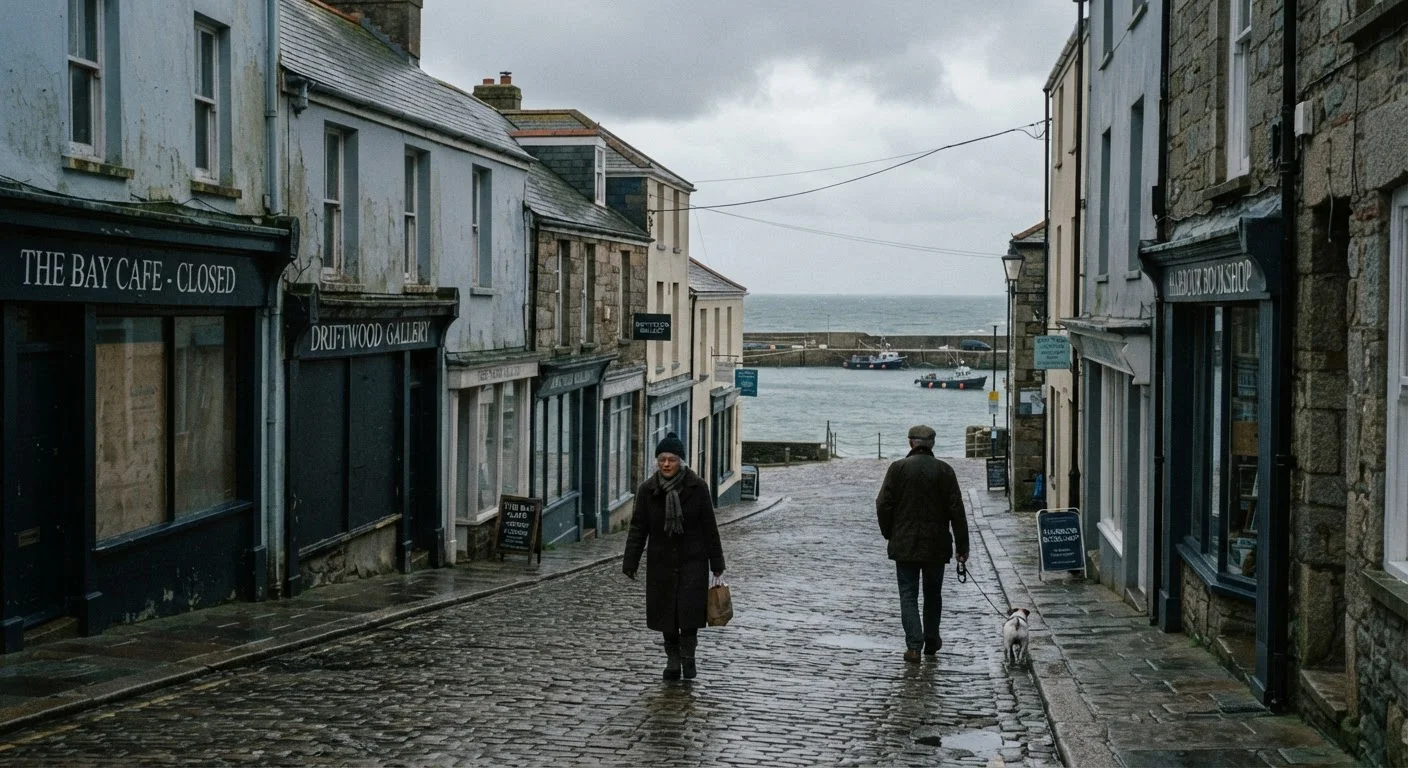
The savings come with concrete trade-offs that vary by destination. Weather is the most obvious: low season often aligns with a region's least hospitable climate - heavy rain, extreme heat, hurricane exposure, or persistent gray skies. Some attractions simply close. Seasonal restaurants, tour operators, boat services, and local transit lines may suspend operations entirely when visitor numbers fall below a threshold. Discovering that a key activity you planned around is unavailable mid-trip is a real risk.
Service quality can also thin out. Smaller hotels may shift to skeleton staff. Tour guides and activity operators who operate at full capacity in peak season may consolidate schedules or cancel departures if group minimums aren't met. And while lower prices are real, they don't always offset every cost. Be aware that hidden costs like airport transfers and resort fees can still inflate your total, regardless of season.
How to Evaluate a Specific Destination
Destination-specific research separates a well-timed off-season trip from a frustrating one. Before booking, confirm which businesses, attractions, and services actually operate year-round. Tourism board websites and recent traveler forums (not just marketing materials) are more reliable indicators than general seasonal summaries.
Check weather patterns for the specific month - not just the season label. 'Rainy season' in some tropical destinations means predictable afternoon showers with clear mornings; in others, it means near-constant flooding risk. Those are very different experiences that the same label obscures.
Flexibility in your itinerary also becomes more important off-season. When fewer services run on fixed schedules, plans need room to adjust. Pair that flexibility with date flexibility on your flights and you may find you can optimize around both pricing and local conditions simultaneously. The full picture of destination costs is also worth reviewing before you finalize any booking.
30-50%
Typical hotel rate reduction in low season
Industry pricing data consistently shows significant rate compression at leisure destinations when demand falls, though the exact range varies by property type and location.
~40%
Share of travelers citing crowds as top frustration
Surveys of US leisure travelers regularly identify overcrowding at key attractions as one of the most commonly cited trip dissatisfiers, underscoring the experiential value of off-peak timing.