

Key Takeaways
Labor costs eliminated on straightforward repairs
Professional labor often represents 50-70% of a repair quote. Handling tasks like patching, painting, or replacing faucet hardware yourself removes that expense entirely.
Builds practical home maintenance knowledge
Each completed repair deepens your understanding of how your home's systems work, making it easier to diagnose problems early and evaluate contractor quotes accurately.
Flexible scheduling on your own timeline
DIY repairs don't require coordinating contractor availability, which can matter when a minor issue needs prompt attention but isn't urgent enough to justify an emergency call-out fee.
Small fixes prevent larger costs later
Addressing caulk gaps, weatherstripping, and minor leaks promptly - tasks accessible to most homeowners - can prevent water intrusion and energy loss that compound into expensive damage.
Mistakes on some jobs are costly to correct
An improperly repaired pipe joint, a misapplied waterproofing membrane, or a poorly patched roof section can cause damage that costs significantly more to remediate than a professional fix would have.
Certain work legally requires licensed professionals
Electrical, gas, and structural work is regulated in virtually all US jurisdictions. Performing this work without licensing can result in failed inspections, fines, or complications during home sales.
Tool costs can erode savings on specialized tasks
Some repairs require tools that are expensive to purchase for occasional use. If the tool cost approaches the labor savings, renting or hiring out may be the more economical choice.
Physical safety risks on certain projects
Roof work, ladder use, and tasks involving electrical current carry real injury risk. Without proper training and safety equipment, these jobs pose hazards that outweigh cost benefits.
Our Verdict
DIY home repair is a genuinely effective way to reduce household costs - but only when matched carefully to your skill level and the nature of the job. Painting, patching, caulking, and basic plumbing fixes are realistic candidates for most homeowners. Work involving electricity, gas lines, structural elements, or anything requiring a permit is better left to licensed professionals, where the risk of a costly or dangerous mistake far outweighs any short-term savings.
Budget-conscious homeowners who are willing to invest time learning a task, have access to basic tools, and are working on cosmetic or low-risk repairs.
Which Repairs Are Genuinely DIY-Friendly
Not every home repair requires a contractor's invoice. Several common household fixes involve straightforward techniques, widely available materials, and a low risk of making things significantly worse - three qualities that make a job a realistic candidate for doing yourself.
Painting interior walls is one of the most accessible DIY projects. Labor accounts for a large share of a professional painter's quote, so doing the work yourself cuts that cost substantially. The tradeoff is your time and attention to preparation - which matters more than most beginners expect. See our guide to painting interior walls without amateur mistakes for the techniques that actually make a difference.
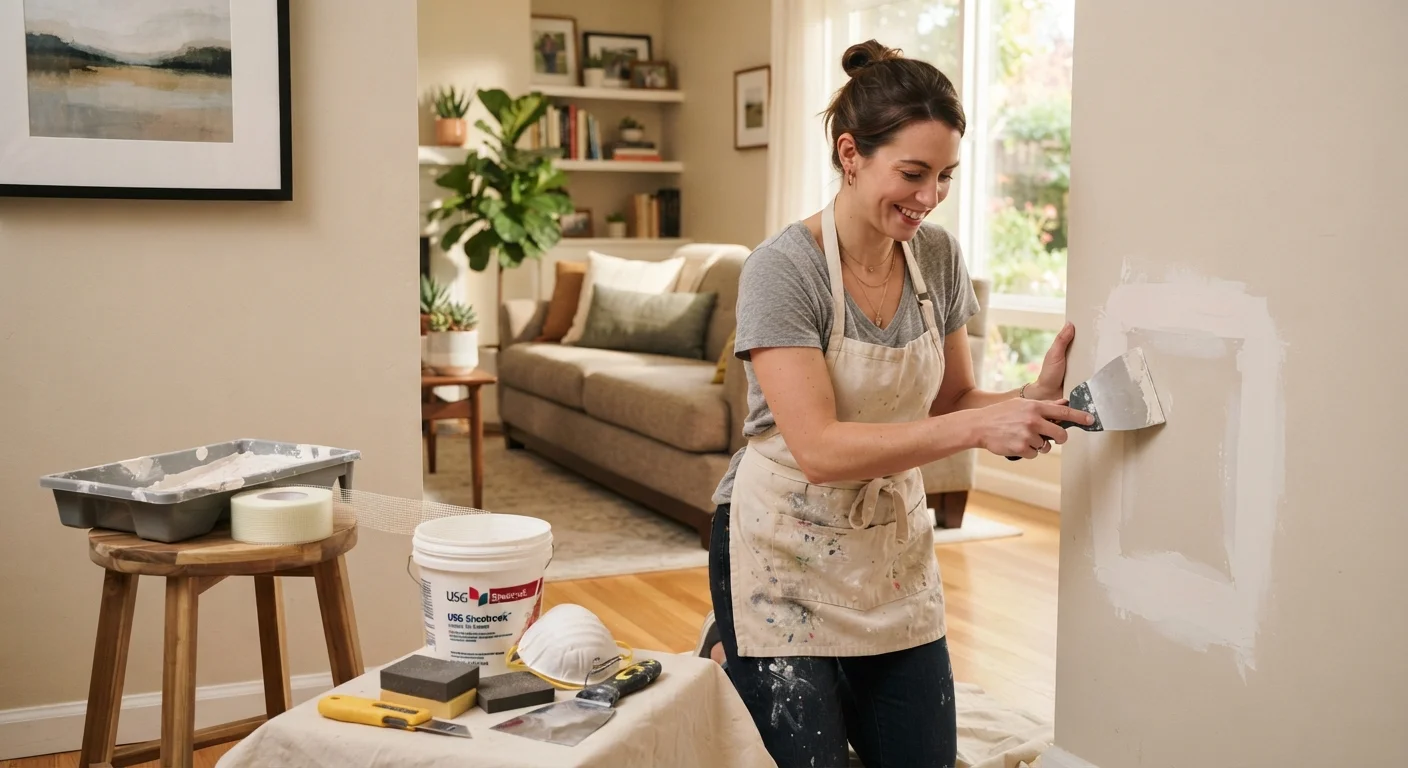
Patching small drywall holes - nail pops, doorknob dings, or holes left by removed anchors - is another approachable task. Pre-mixed joint compound, a flexible putty knife, and some sandpaper are generally all that's needed for holes under a few inches in diameter.
Fixing running toilets and dripping faucets falls within reach for many homeowners as well. The internal components are inexpensive and designed to be replaced by non-specialists. Our first-time guide to fixing running toilets and leaky faucets walks through each step clearly. That said, knowing which plumbing jobs to avoid is equally important - our article on DIY plumbing myths explains where well-intentioned fixes can backfire.
Other DIY-friendly tasks include recaulking tubs and windows, replacing outlet covers and light switch plates, reseating loose door hinges, and weatherstripping doors and windows - all of which can reduce drafts and contribute to lower energy costs.
Labor costs eliminated on straightforward repairs
Professional labor often represents 50-70% of a repair quote. Handling tasks like patching, painting, or replacing faucet hardware yourself removes that expense entirely.
Builds practical home maintenance knowledge
Each completed repair deepens your understanding of how your home's systems work, making it easier to diagnose problems early and evaluate contractor quotes accurately.
Flexible scheduling on your own timeline
DIY repairs don't require coordinating contractor availability, which can matter when a minor issue needs prompt attention but isn't urgent enough to justify an emergency call-out fee.
Small fixes prevent larger costs later
Addressing caulk gaps, weatherstripping, and minor leaks promptly - tasks accessible to most homeowners - can prevent water intrusion and energy loss that compound into expensive damage.
Where DIY Crosses Into Risky Territory
The appeal of skipping a professional fee is real, but certain repairs carry consequences that can far exceed the original quote. Understanding where those limits are protects both your safety and your wallet.
Electrical work beyond replacing a light switch or outlet cover generally requires a permit and a licensed electrician in most US jurisdictions. Wiring mistakes can cause fires, and unpermitted work can complicate home sales or insurance claims later.
Gas lines should never be a DIY project. Any work involving gas appliances, supply lines, or fittings must be performed by a licensed professional. The hazards - leaks, carbon monoxide, fire - are severe and not worth any savings.
Structural repairs, including load-bearing wall modifications or foundation work, require engineering expertise. Removing or altering a structural element without proper assessment can compromise the integrity of the entire home.
Roofing combines physical hazard with technical complexity. Falls from roofs are a leading cause of home-related injuries, and improper installation can result in leaks that damage insulation, framing, and interior finishes - often costing far more than a professional repair would have.
Mistakes on some jobs are costly to correct
An improperly repaired pipe joint, a misapplied waterproofing membrane, or a poorly patched roof section can cause damage that costs significantly more to remediate than a professional fix would have.
Certain work legally requires licensed professionals
Electrical, gas, and structural work is regulated in virtually all US jurisdictions. Performing this work without licensing can result in failed inspections, fines, or complications during home sales.
Tool costs can erode savings on specialized tasks
Some repairs require tools that are expensive to purchase for occasional use. If the tool cost approaches the labor savings, renting or hiring out may be the more economical choice.
Physical safety risks on certain projects
Roof work, ladder use, and tasks involving electrical current carry real injury risk. Without proper training and safety equipment, these jobs pose hazards that outweigh cost benefits.
For anything in these categories, the right question isn't whether you can do it - it's whether doing it incorrectly is a risk you can afford. In most cases, the answer points toward a licensed professional.
How to Decide Before You Start
A simple three-question test can help you evaluate any repair before committing:
- What's the worst realistic outcome if I do this wrong? For patching drywall, the answer is a lumpy patch you'll sand and redo. For electrical work near a panel, the answer involves serious safety hazards. Let the consequences guide your caution level.
- Do I have - or can I reasonably borrow - the right tools? Buying a specialized tool for a one-time job can eliminate the cost savings entirely. Our guide to essential hand tools covers what's genuinely useful to own versus rent or borrow.
- Does this job require a permit in my area? Work involving structural changes, electrical panels, plumbing rough-ins, or HVAC usually does. Unpermitted work can become a significant liability. Check with your local building department before starting.
Permits Protect You, Not Just Inspectors
Many homeowners view building permits as red tape, but they serve an important protective function. A permitted repair is inspected for code compliance, which can prevent dangerous oversights and protect your ability to sell the home later. Unpermitted structural or electrical work discovered during a home sale can stall or kill a transaction entirely. Before starting any repair that might require a permit, contact your local building department - many offer free guidance over the phone.
If you rent rather than own your home, the calculation changes further - responsibility for repairs and your right to make them depend on your lease and local law. Our article on repairs as a renter vs. an owner outlines the key distinctions.
Completing smaller repairs yourself also builds a practical foundation. Each project teaches you something about how your home works - knowledge that makes future decisions easier and helps you have more informed conversations with contractors when you do hire out.
35-50%
Typical labor share of a repair quote
Industry estimates generally place labor at 35-50% or more of total project cost for common trades, making labor elimination the primary DIY savings driver.
#1
Leading cause of home-related fatalities
According to the CDC, falls are the leading cause of home injury deaths in the US, underscoring the risk of DIY roofing and elevated work without proper safety measures.