

How Cashback Actually Moves from Click to Payment
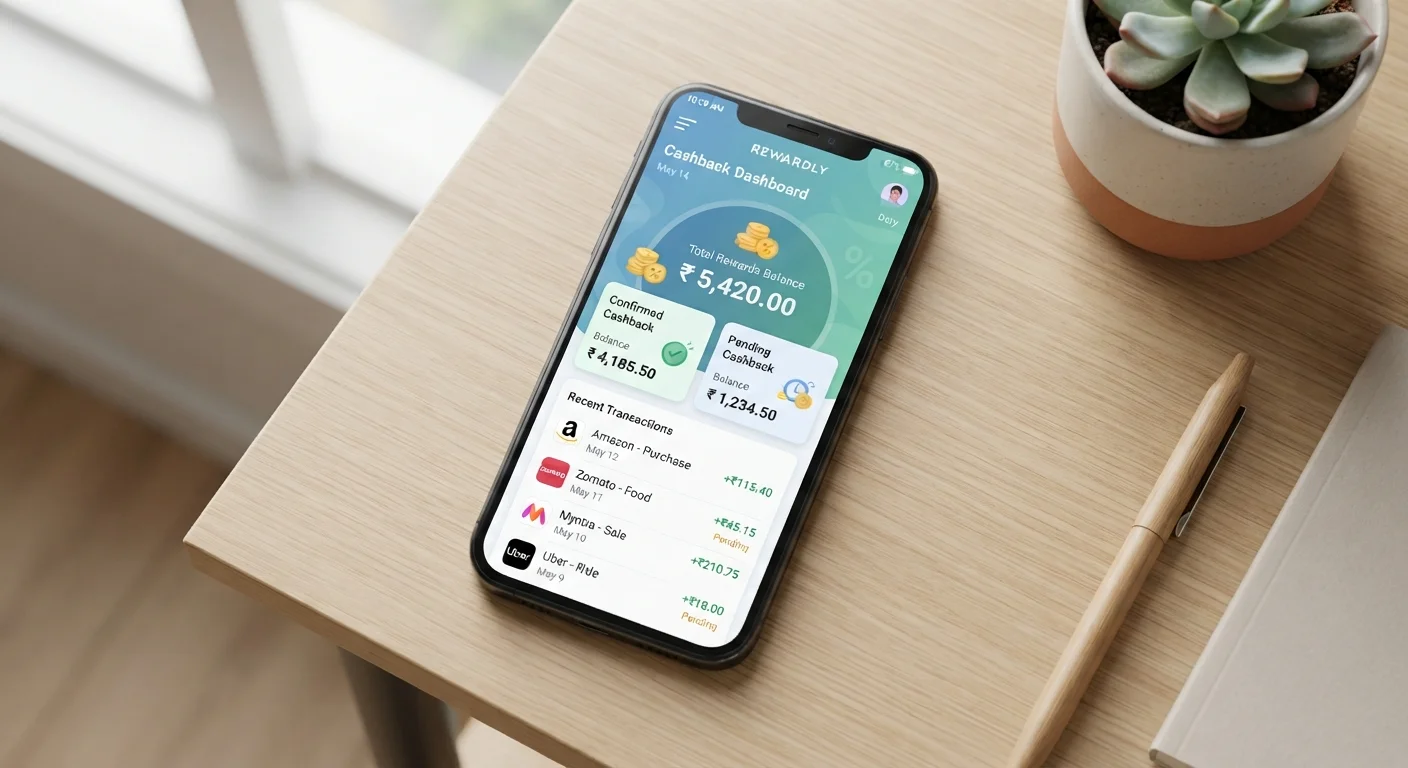
Most shoppers assume cashback is instant. It isn't. When you click through a cashback portal and complete a purchase, the portal logs a pending transaction - not confirmed cash. The retailer must first verify the sale wasn't returned, wasn't made with an excluded payment method, and fell within eligible product categories. Only after that verification does the cashback flip to confirmed status.
This verification window typically runs 30 to 90 days, though some categories - travel bookings, for example - can extend to 120 days or longer because returns and cancellations remain possible well after the original transaction. During this window, the money isn't yours to withdraw. Trying to understand this single mechanic prevents the most common frustration: expecting a payout that hasn't matured yet.
See our breakdown of how cashback differs from coupons and promo codes if you're still building the foundation.
Minimum Withdrawal Thresholds and Payout Methods
Confirmed cashback sits in your account balance - but you still can't always access it immediately. Most platforms enforce a minimum withdrawal threshold: a floor amount your balance must reach before a transfer is allowed. Common thresholds range from $5 to $25, depending on the platform and the payout method chosen.
Payout method also affects timing. PayPal and direct bank transfers typically post within a few business days of requesting withdrawal. Gift card redemptions are often available at lower thresholds but lock your cash into a single retailer. Paper checks, where still offered, can take one to two weeks and usually carry a higher minimum.
If you spread purchases across several portals, you may accumulate small balances that never hit the threshold on any single platform. Consolidating spending through fewer portals - rather than chasing marginal rate differences - often results in faster access to real money.
Tracking Windows, Cookie Rules, and Why Cashback Goes Missing
Cashback attribution depends on browser cookies or browser extensions correctly recording your originating click. The tracking window - the time between your portal click and a completed purchase - varies by retailer but is commonly 24 hours. If you leave and return the next day via a different link, the original session may no longer be credited.
Common reasons cashback fails to track include: using a private or incognito browsing window (which blocks cookies by default on some systems), clicking a retailer ad between the portal and checkout, applying a coupon code that is flagged as a third-party code (voiding the affiliate relationship), or completing checkout via a mobile app instead of the browser. For a detailed look at when stacking can backfire, see specific scenarios where coupons void cashback tracking.
The fix: click through the portal immediately before adding items to your cart, disable ad blockers temporarily for the checkout session, and avoid navigating away mid-session. If cashback doesn't appear within 48 hours, file a missing-cashback claim through the portal's support system - most platforms accept these within 30 days of purchase.
For a full guide on preventing confirmed cashback from expiring uncollected, see why earned cashback goes unclaimed and how to prevent it.
Making the Mechanics Work for Your Budget
Understanding the full lifecycle - click, pending, confirmed, threshold met, withdrawal - lets you plan realistically. If you're budgeting around a cashback payout, count on 60 to 90 days from purchase to accessible cash as a conservative baseline. Build that lag into your expectations rather than treating pending balances as spendable.
For purchases where stacking makes sense, learn the rules before checkout. Some portals explicitly allow coupon code stacking; others void cashback the moment any promo code is applied. The mechanics of legally combining coupons and cashback explains which combinations hold up. And if you're timing a larger purchase to coincide with a sale cycle, the deal timing guides can help you align the purchase window with confirmed cashback rates.
The practical takeaway: treat cashback as a delayed rebate, not a discount at checkout. Knowing the mechanics - tracking windows, confirmation delays, minimum thresholds - means fewer surprises and more cash actually collected.