

Key Takeaways
Why Seasonal Price Cycles Exist
Retailers don't discount randomly. Markdowns follow a logic tied to inventory turnover, model-year transitions, and consumer demand patterns. When a new product line arrives, the old one gets cleared. When seasonal demand drops off - lawn mowers in October, winter coats in February - unsold stock gets cut. These patterns repeat year over year with enough consistency that shoppers who map them gain a structural advantage over those who don't.
Understanding this rhythm is the foundation of strategic timing. For a deeper look at the retail logic behind specific categories, see The Annual Price Calendar - a month-by-month breakdown of when prices typically drop and why. And if you want to understand how stores physically move old inventory off shelves, Retail Clearance Cycles Explained covers the mechanics in detail.
The short version: seasonal cycles are predictable, and predictability is something you can plan around.
What You Need Before You Start
Before building your timing strategy, gather a few basics.
What you will need
Price History Tracker (browser extension)
Displays historical price data on retail product pages so you can verify whether a current sale price is actually a low.
Cashback Portal Account
Allows you to earn a percentage back on purchases made during your target timing window, compounding your savings.
Calendar or Spreadsheet
Used to map planned purchases against known seasonal markdown windows so you can budget and plan in advance.
Retailer Email or App Alerts
Provides early notice of clearance events and unadvertised markdowns tied to inventory transitions.
How to Time Your Purchases Step by Step
Follow these steps to move from reactive shopping to a calendar-driven approach that puts price cycles to work for you.
List every planned purchase for the next 12 months
Write down everything you expect to buy - appliances, clothing, automotive parts, garden tools, electronics, fitness equipment. Include approximate budget and how urgently you need each item. Separating needs within 30 days from flexible purchases tells you which items you can realistically time and which you can't.
Research the typical markdown window for each category
Each product category has a general discount season. Appliances tend to drop around Labor Day and during pre-holiday inventory clears. Winter apparel hits its floor in January and February. Outdoor and garden equipment is most discounted in late September through October. Cross-reference your list against a reliable category calendar rather than relying on memory or single-retailer claims.
Check price history before committing
Before acting on any sale, pull up the price-history chart for that item using a browser extension. Look for the 90-day and 12-month lows. If the current price is near or at the historical floor, that's a meaningful signal. If it's only modestly below a recent spike, you may be looking at manufactured urgency rather than a genuine markdown.
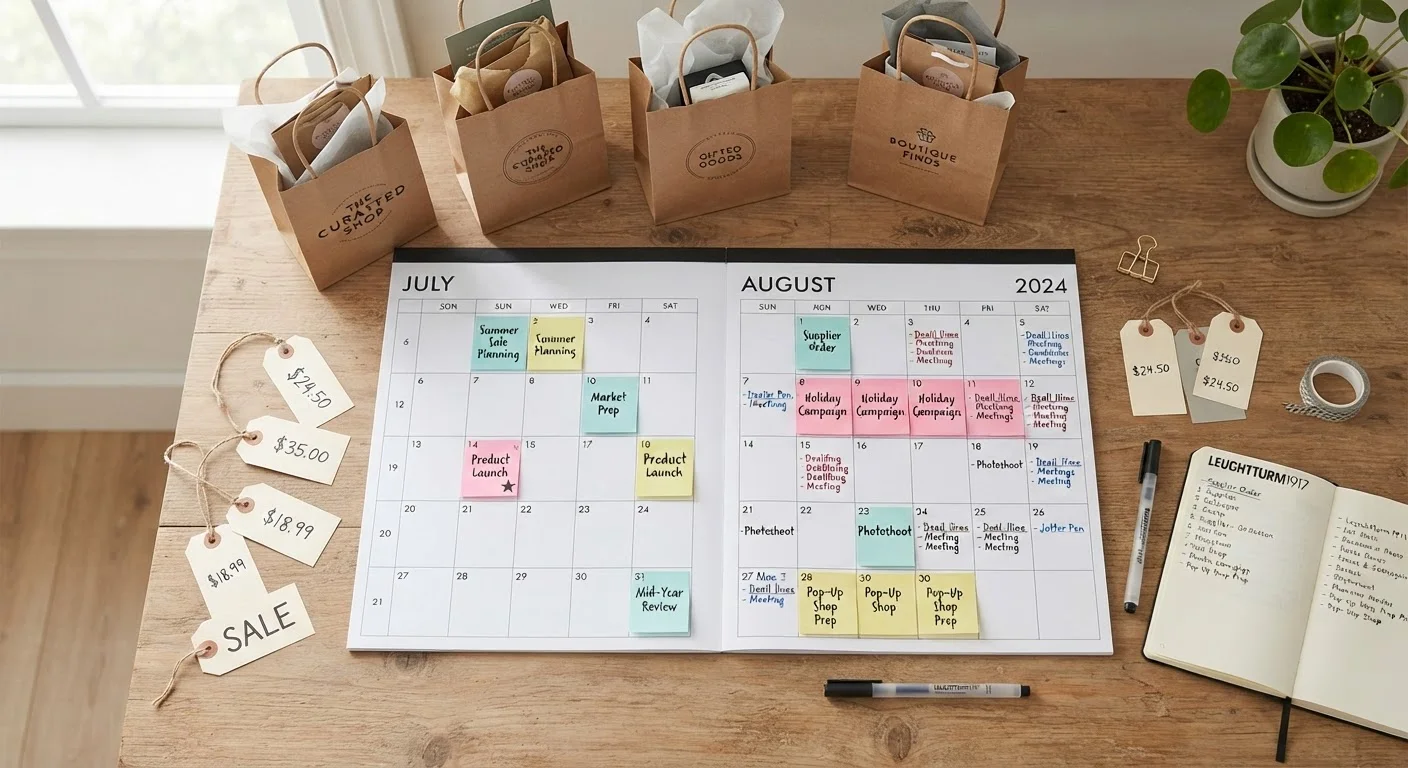
Block your target purchase windows on your calendar
Once you know the likely markdown window for each item, add a reminder to your calendar two to three weeks before that window opens. This gives you time to identify which retailers carry the item, set up price alerts, and prepare any cashback portal activations in advance. Reacting at the last minute typically means missing stacking opportunities.
Layer in additional savings tactics at the right moment
When your target window arrives and the price-history data confirms a genuine low, stack your savings in this order: (1) activate a cashback portal before clicking through to the retailer; (2) apply any valid promo code at checkout; (3) use a credit card that earns category-specific rewards if you have one. Confirm each layer is stackable - some retailers prohibit combining portal cashback with certain promo codes.
Track what you actually saved and refine next year
After each purchase, log the price you paid versus the non-sale price, and note whether your timing target was accurate. Over 12 months, this log will reveal which categories you called correctly and which windows you missed. That data is more reliable than any generic calendar because it reflects the specific retailers and categories you actually shop.
Stacking Timing with Other Savings Tactics
Hitting a seasonal price floor is valuable on its own, but the real leverage comes from layering other tactics on top. Once you've identified a purchase window - say, appliances in September or gym equipment in January - that's when you apply cashback portal rates, manufacturer rebates, and any valid promo codes simultaneously. The Coupons & Cashback hub walks through how to stack these tools without violating retailer stacking rules.
To put all of this into a structured plan, Building a Personal Shopping Calendar shows how to map your planned purchases against known discount windows across the full year. For predictable annual expenses that go beyond discretionary shopping - taxes, back-to-school costs, holiday spending - A Month-by-Month Savings Calendar can help you budget well ahead of each cycle.
Stack Savings Only When All Layers Confirm
Activate cashback portals before navigating to a retailer's site - going directly to the site first voids the cashback in most cases. Verify that any promo code you plan to use is compatible with portal stacking before completing checkout. When all three layers (timing, cashback, promo) align, the combined savings can be substantially larger than any single tactic alone.
Common Pitfalls to Avoid
Timing strategies only work when your assumptions about when prices drop are actually correct. Several widely repeated timing rules don't hold up consistently - Deal Timing Myths That Can Actually Cost You Money breaks down which ones to question. Equally important: misjudging the window can mean paying a premium right before a markdown hits. Deal Timing Mistakes That Undercut Your Savings covers the specific errors even experienced shoppers make.
One practical safeguard: always cross-reference a listed sale price against a price-history tool before purchasing. A "40% off" sticker means little if the item was briefly inflated beforehand. Learning to read a retailer's markdown schedule before you shop is another way to get ahead of public sale announcements rather than reacting to them.
Urgency Framing Can Override Good Timing
Countdown timers and "limited stock" alerts are designed to trigger purchases before you've verified the price is genuinely low. If you haven't confirmed the price against its history and your timing calendar, treat any urgency framing as a reason to pause, not act. Impulse buys during manufactured sales are one of the most common ways a timing strategy breaks down.