

How South America Splits by Budget Tier
South America is not a monolithic budget destination - costs vary sharply between countries, and even between cities within the same country. Understanding these regional differences before booking can prevent sticker shock and help you allocate your travel fund where it stretches furthest.
The continent broadly divides into three pricing tiers. The Andean interior - Bolivia, Peru, and Ecuador - tends to offer the lowest daily costs for accommodation, food, and transport. The Southern Cone - Argentina, Chile, and Uruguay - runs closer to Western European price levels in major cities, though Argentina's historically volatile exchange rates can complicate comparisons. The northern and coastal regions - Colombia, Venezuela, and Brazil - sit somewhere between these poles, with wide internal variation depending on whether you're in a major urban center or a smaller town.
Before planning, it helps to understand what makes a destination genuinely affordable beyond the headline flight price - daily accommodation, food, internal transport, and entry fees all compound quickly.
Andean Region: Bolivia, Peru, and Ecuador
Bolivia consistently ranks among the most affordable countries in the Western Hemisphere for independent travelers. Sucre and La Paz both offer guesthouses well under $20 per night in the budget category, and a full restaurant meal rarely exceeds $4-6. Internal bus travel is cheap and extensive, though road conditions in highland routes can be slow. The major cost variable in Bolivia is altitude-related activity: guided treks, tours to the Salar de Uyuni, and multi-day excursions add up quickly.
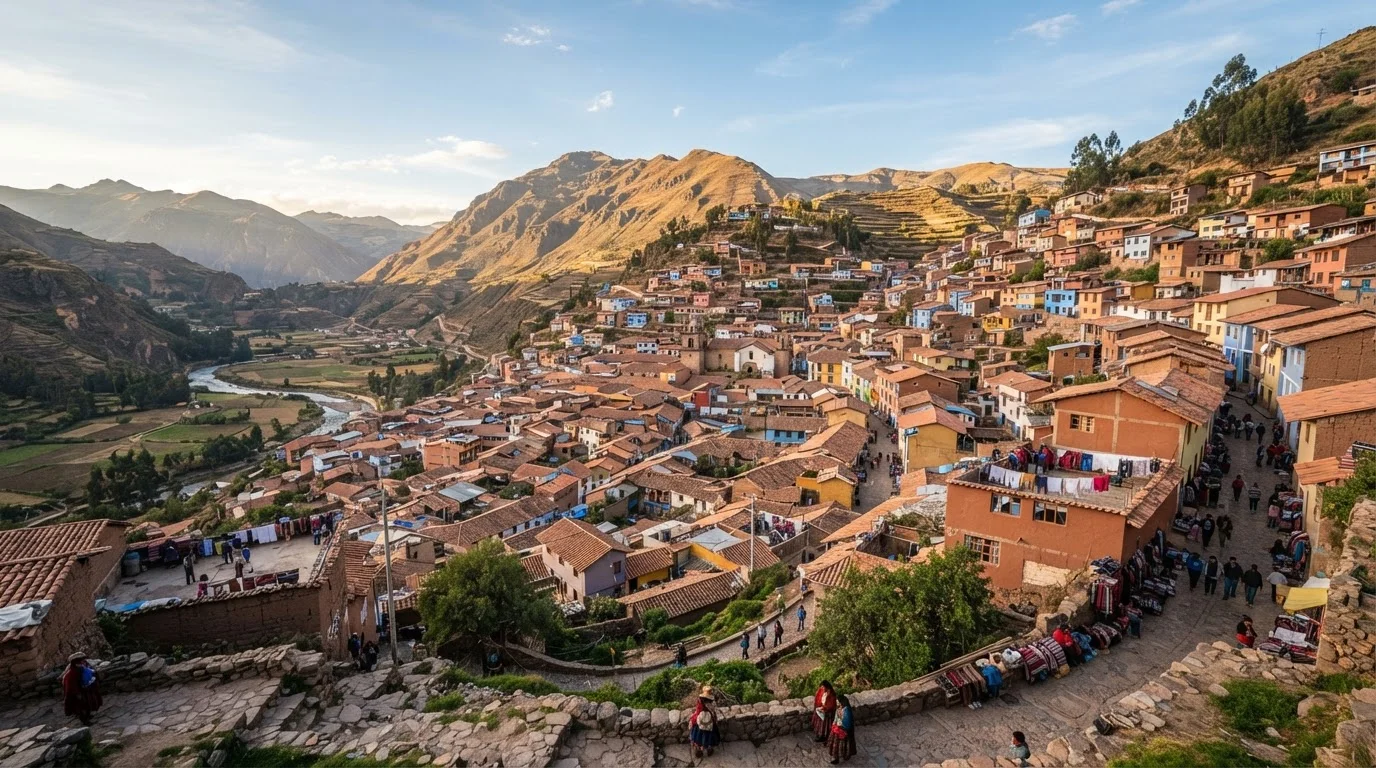
Peru sits one tier above Bolivia. Cusco and Lima have developed significant tourist infrastructure, which pushes hostel and restaurant prices upward compared to smaller Peruvian towns. The Machu Picchu circuit - including train access and entry fees - represents a substantial cost that can shift a Peru trip's daily average considerably. Outside the gringo trail, cities like Arequipa and Trujillo remain noticeably more affordable.
Ecuador is compact and easy to navigate on a budget. Quito's historic center offers solid-value accommodation, and the country uses the US dollar, which removes currency exchange guesswork. The Galápagos Islands are a significant outlier - entry fees, licensed tour requirements, and limited independent access make them one of the most expensive experiences on the continent.
Northern Region: Colombia and Venezuela
Colombia has seen sustained tourism growth over the past decade, and pricing has shifted accordingly in its most-visited cities. Medellín and Cartagena now command prices that reflect their popularity - boutique hostels in Cartagena's old city frequently match mid-range hostel rates elsewhere. That said, secondary cities like Manizales, Popayán, and Santa Marta still offer genuinely affordable day-to-day costs. Colombia's robust domestic bus network keeps internal transport accessible.
Verify Advisories Before Booking
Travel conditions, safety advisories, visa requirements, and entry rules across South America can change with little notice. Always check the US Department of State's travel advisory page and the official government or embassy resources for your destination country before finalizing any plans. This article provides general orientation only and is not a substitute for current official guidance.
Venezuela's humanitarian crisis has made it effectively inaccessible for standard tourist travel. The US Department of State maintains a Level 4 travel advisory for Venezuela; travelers should verify all entry-related and safety information with official government sources before considering any destination in the region.
Southern Cone and Brazil: Context for Budget Travelers
Chile and Uruguay price closer to Western Europe in urban centers - Santiago and Montevideo accommodation, dining, and transport reflect developed-economy costs. Budget travelers can reduce spend through cooking in hostel kitchens, using intercity buses instead of domestic flights, and concentrating time in smaller towns. Chile's national parks charge entry fees that vary seasonally, and some, like Torres del Paine, have introduced reservation systems that require advance planning.
Brazil presents the widest internal variation on the continent. São Paulo and Rio de Janeiro are expensive relative to other South American cities, but the northeast - Fortaleza, Natal, and the surrounding beach towns - offers considerably lower costs. Brazil's sheer size means internal flights often feel necessary, adding meaningfully to overall trip cost.
Argentina's pricing is complicated by exchange rate dynamics. The official rate and informal market rates have historically diverged, creating an environment where travelers' effective purchasing power can shift significantly. Always verify current entry requirements, currency rules, and safety advisories with official government sources before booking.
For a useful comparison of how South America's cost profile stacks up against other budget-friendly regions, see our overview of what budget travel looks like in Southeast Asia or the Central America regional breakdown. If you're still deciding between international options, the framework in domestic vs. international budget destinations can help structure the decision.