

Key Takeaways
Option A
Macronutrients
The energy-providing building blocks your body needs in large amounts.
Best for: Fueling daily activity, supporting muscle function, and maintaining organ health across all life stages.
Option B
Micronutrients
The essential vitamins and minerals required in small but critical amounts.
Best for: Regulating metabolic processes, supporting immune function, and preventing deficiency-related health conditions.
If you are trying to manage your energy levels and body composition
Macronutrients
Calories and energy balance are governed by macronutrient intake. Understanding carbs, protein, and fat helps you structure meals that sustain you through the day.
If you are concerned about immune function, bone health, or fatigue
Micronutrients
Deficiencies in vitamins and minerals such as iron, vitamin D, or B12 are common drivers of these symptoms. Focusing on micronutrient density may be the more relevant starting point.
If you want a comprehensive, long-term approach to healthy eating
Macronutrients
Both categories matter equally. Prioritizing whole, varied foods naturally addresses macro and micro needs together - consult a registered dietitian for personalized guidance.
What Are Macronutrients?
Macronutrients are the three primary nutrients your body requires in relatively large quantities: carbohydrates, protein, and fat. Each provides calories - the unit of energy your cells use to function - and each plays distinct structural and regulatory roles beyond simple fuel.
Carbohydrates are the body's preferred energy source, broken down into glucose that powers the brain and muscles. Protein supplies amino acids essential for building and repairing tissue, including muscle, skin, and enzymes. Fats support hormone production, protect organs, and enable absorption of fat-soluble vitamins. For a deeper look at how each macro works, see our macronutrients explainer.
Because macronutrients are needed in gram-level quantities - often tens to hundreds of grams per day - they make up the bulk of what you eat. Portion size, food composition, and caloric balance are all macronutrient concerns.
| Criterion | Macronutrients | Micronutrients |
|---|---|---|
| Examples | Carbohydrates, protein, fat | Vitamins, minerals |
| Amount needed daily | Grams to hundreds of grams | Milligrams to micrograms |
| Provide calories? | Yes | No |
| Primary role | Energy, structure, growth | Regulation, enzyme function, immunity |
| Deficiency effect | Fatigue, muscle loss, weight changes | Anemia, bone loss, impaired immunity |
| Found in | Grains, meat, dairy, oils, legumes | Fruits, vegetables, dairy, meat, legumes |
| Tracked on nutrition labels? | Yes - prominently | Partially - select vitamins and minerals |
What Are Micronutrients?
Micronutrients are vitamins and minerals that the body requires in much smaller amounts - often milligrams or micrograms - but that are nonetheless indispensable. Unlike macronutrients, micronutrients do not provide calories. Instead, they act as co-factors and regulators, enabling the biochemical reactions that macronutrients set in motion.
Vitamins are organic compounds. They are divided into water-soluble types (such as vitamin C and the B-complex vitamins) and fat-soluble types (vitamins A, D, E, and K). Minerals are inorganic elements - calcium, iron, zinc, magnesium, and potassium are among the most recognized. For plain-English definitions of these and related terms, the Nutrition Terms Decoded reference guide is a useful companion resource.
Fat-Soluble vs. Water-Soluble Vitamins
Fat-soluble vitamins (A, D, E, and K) are stored in the body's fatty tissue and liver, which means both deficiency and excessive intake can become concerns over time. Water-soluble vitamins, including vitamin C and the eight B vitamins, are not stored in significant amounts and need to be replenished more regularly through food. This distinction affects how quickly deficiencies or excesses can develop.
Micronutrient deficiencies are more common than many people realize. Iron-deficiency anemia, insufficient vitamin D, and low B12 levels each affect significant portions of the US population, according to public health data from the Centers for Disease Control and Prevention (CDC). These deficiencies can develop gradually and may not produce obvious symptoms until they are well established.
Key Differences - and Why Both Matter
The most practical distinction comes down to quantity and function. Macronutrients build and fuel; micronutrients regulate and protect. Ignoring either category creates nutritional gaps with real health consequences.
~10%
US adults with iron deficiency
The CDC estimates approximately 10% of US women of childbearing age are iron deficient - one of the most prevalent micronutrient shortfalls in the country.
3
Macronutrients essential for caloric intake
Carbohydrates, protein, and fat are the only three nutrients that supply energy measured in calories, according to established nutritional science.
13
Essential vitamins recognized by nutritional science
The human body requires 13 recognized vitamins - each performing distinct functions that cannot be replaced by other nutrients.
It is also worth noting that these two categories are not independent. Fat-soluble vitamins (A, D, E, K) require dietary fat to be absorbed. Protein metabolism depends on B vitamins. Carbohydrate breakdown relies on minerals such as magnesium. In short, macronutrients and micronutrients work as an integrated system - not separate concerns.
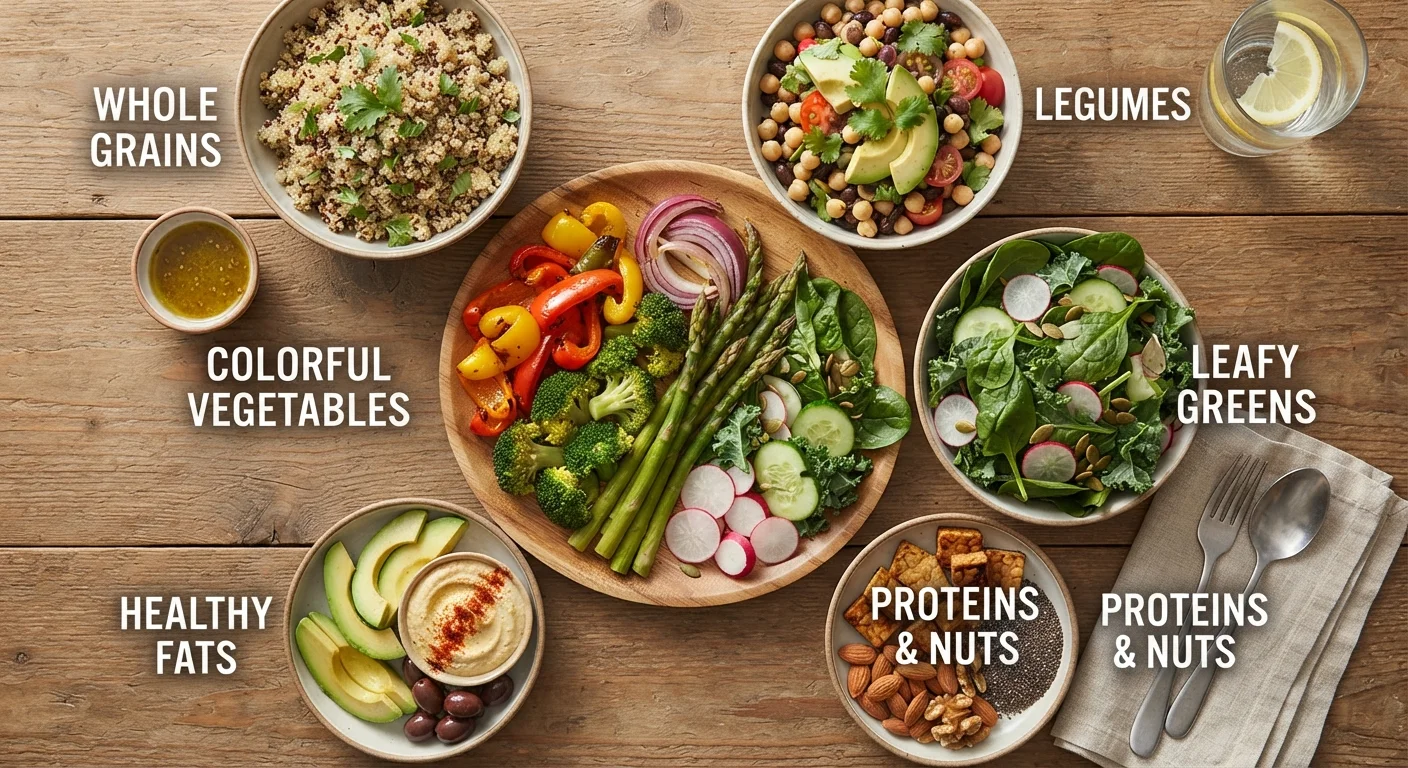
Whole foods naturally deliver both. Eggs provide protein (macro) alongside choline and B12 (micros). Lentils offer carbohydrates and protein alongside iron and folate. Leafy greens supply minimal calories but are dense in vitamins K and C, along with calcium. Budget-conscious eaters often get strong nutritional value from affordable staples like canned beans, frozen vegetables, and eggs. For guidance on navigating nutritional trade-offs at the grocery store, see our whole foods vs. processed foods breakdown.
Understanding how to read nutrition labels helps you track both macros and micros in packaged foods - a skill covered in Nutrition Label Literacy.
This article is for general informational and educational purposes only and does not constitute medical or dietary advice. Consult a registered dietitian or qualified healthcare professional before making significant changes to your diet, particularly if you have an existing health condition or nutritional concern.