

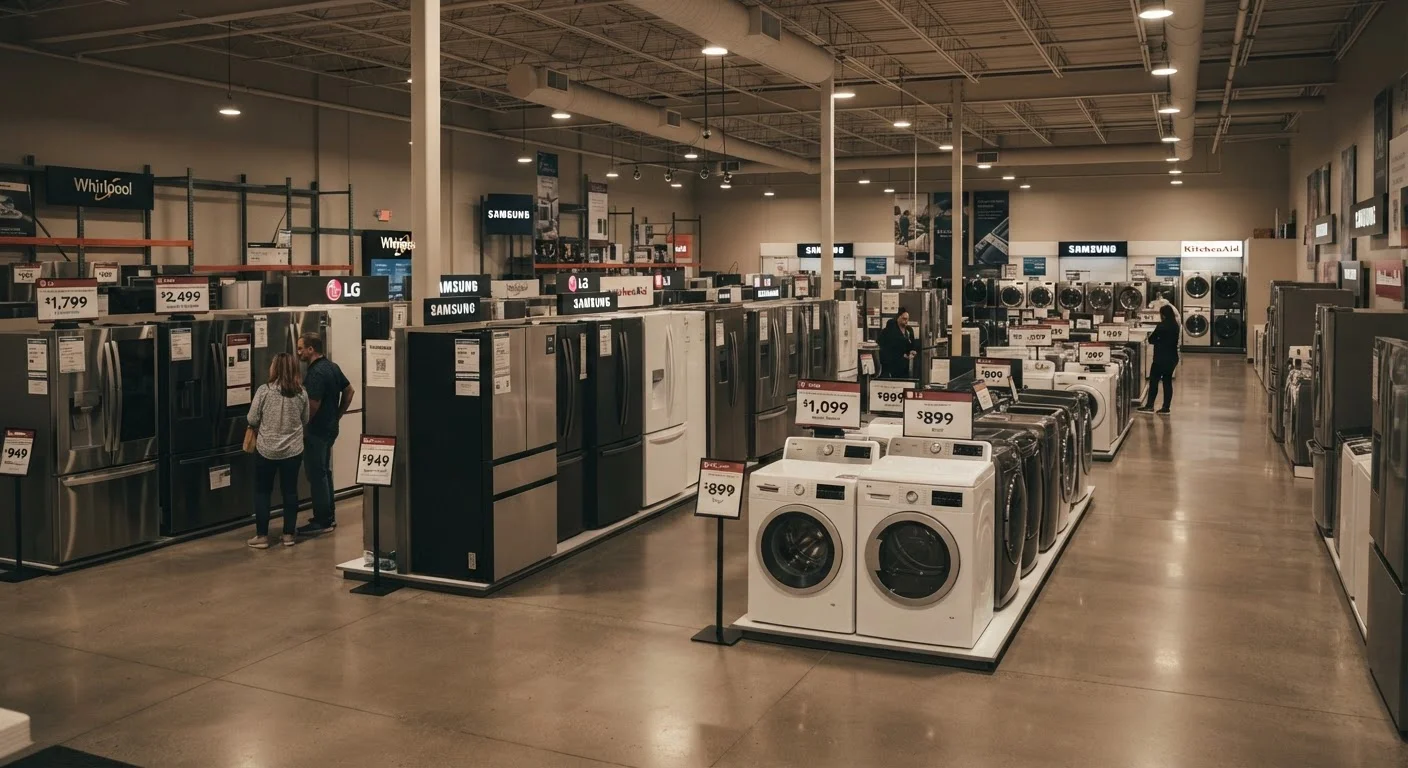
Why Appliance Prices Move Predictably
Unlike consumer electronics, where price drops can be erratic, major appliances - refrigerators, dishwashers, washing machines, ranges - tend to follow a fairly consistent annual rhythm. Two forces drive this: new model releases and retailer-driven sales events. When manufacturers introduce updated models (typically in spring and fall), retailers need to clear older floor stock, which translates into real markdowns on previous-year units. Separately, a handful of shopping holidays have developed into reliable discount windows for appliances specifically.
Understanding this calendar doesn't guarantee any specific savings - prices vary by store, model, and year - but it gives you a framework for timing a purchase rather than buying reactively. For a broader view of how this logic applies across product categories, see the full annual price calendar.
The Core Discount Windows for Appliances
Several recurring windows are worth knowing. Each is driven by a different mechanism:
September - October: New Model Rollout Clearance
Many manufacturers introduce updated appliance lines in the fall. As new inventory arrives, the prior year's models are typically marked down to make room. This is often cited by consumer researchers as one of the strongest structural windows for appliances - you're buying a product that may be one model year old but is otherwise unchanged in function.
Late May - Memorial Day Weekend
Memorial Day weekend has a long-established association with appliance promotions. Retailers often use it to kick off the spring selling season. Discounts tend to be advertised prominently, though it's worth comparing against fall clearance pricing before assuming this is the deeper window.
Black Friday / Cyber Monday
Holiday weekend promotions include appliances, though the deals can be less dramatic than the marketing suggests. In-store floor models and bundle offers are common. Because demand is high and inventory is limited, this window may be less reliable than the new-model clearance window for larger items. Off-season windows often outperform holiday events for appliances specifically.
January - February: Post-Holiday Clearance
Once the holiday rush ends, floor models and display units are sometimes reduced. This is a smaller window but worth monitoring, especially if you're flexible on cosmetic condition. For contrast, see how this timing differs for electronics: early Q1 price shifts hit electronics differently.
Delivery and Installation Timing Matters Too
Appliance pricing and availability aren't the only timing variables. Delivery lead times can stretch during peak sale periods - sometimes two to four weeks - because demand spikes simultaneously across retailers. If you need an appliance by a specific date, factor in delivery scheduling before committing to a sale-window purchase. Buying slightly outside a peak event may result in faster delivery and comparable pricing on open-box inventory.
President's Day Weekend (February)
This has become a secondary but consistent appliance promotion event at many large retailers. It overlaps with post-holiday clearance momentum, making it a reasonable secondary target if the January window passes without a suitable deal.
How to Apply This Calendar Practically
Knowing the windows is only half the work. The other half is matching your actual need to the right moment - and building in enough lead time to avoid emergency buying, which almost always costs more.
- Track the current price 4-6 weeks in advance of a target window so you have a baseline for comparison.
- Consider prior-year models during fall clearance. Functionally, a previous-generation refrigerator or dishwasher is rarely inferior to its replacement.
- Check floor model and open-box pricing outside of major sale periods - these are discounted year-round and often include the retailer's warranty.
- Avoid emergency replacement timing if at all possible. If an appliance is aging, start monitoring prices 6-12 months before likely failure rather than after.
For a structured approach to mapping these windows into your household budget, building a personal shopping calendar offers a practical framework. And if you want to situate appliance timing within a complete seasonal strategy, timing purchases around seasonal price cycles covers the full picture.