

Smart Shopping

Timing a Large Purchase: A Pre-Buy Checklist for Budget-Conscious Shoppers

Share
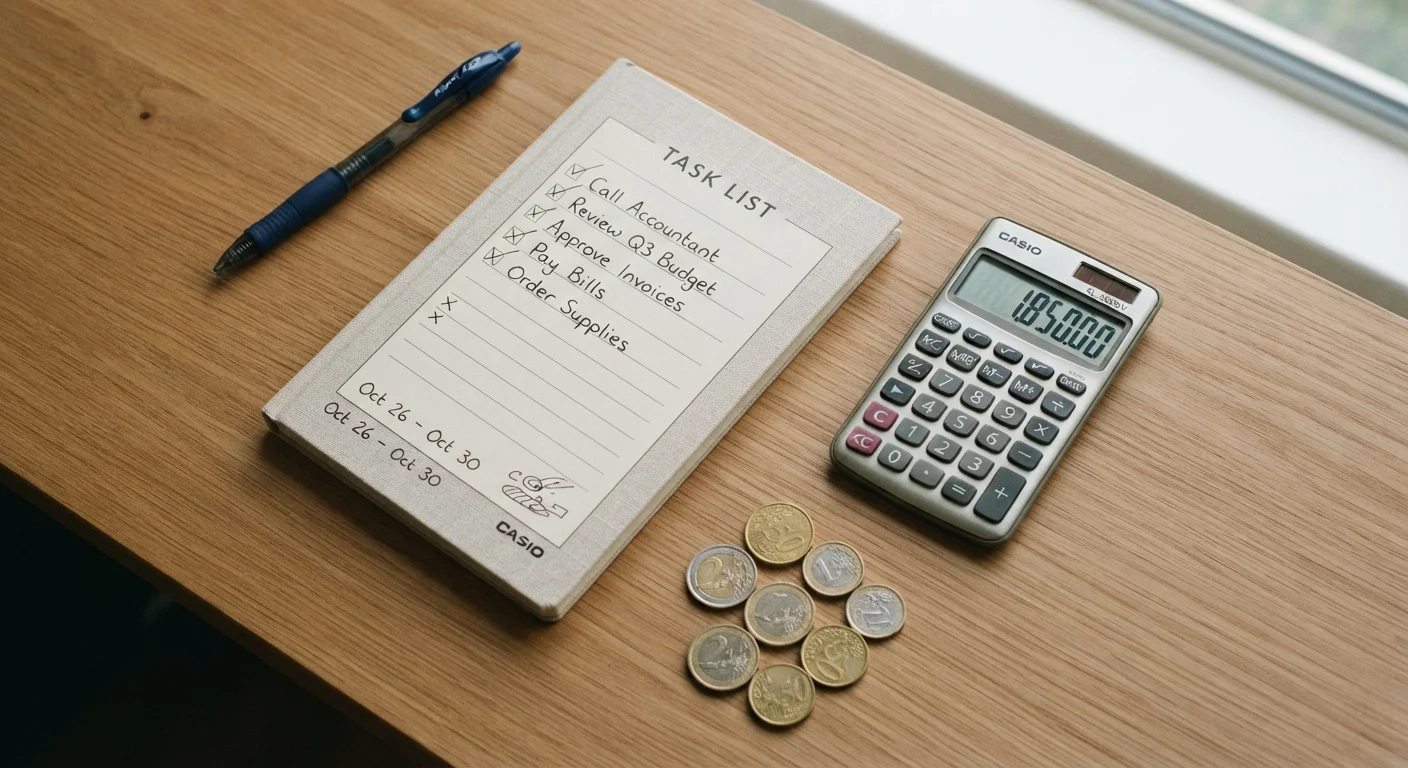
A checklist notepad, calculator, and coins arranged on a wooden desk surface.

Key Takeaways

Timing a large purchase correctly can reduce what you pay without sacrificing what you need.
Most product categories follow predictable seasonal markdown cycles that you can plan around.
Knowing your budget ceiling and urgency level before researching prices anchors smarter decisions.
Stacking price-drop windows with cashback portals compounds savings without additional effort.
Waiting is not always the right move — urgency, availability, and real savings potential all factor in.
20–40 min

Summary

18 items · 20–40 minutes

Why a Pre-Buy Checklist Pays Off

Large purchases — appliances, electronics, furniture, tires, mattresses — carry enough dollar weight that a few well-timed weeks can translate to meaningful savings. But timing decisions rarely feel straightforward in the moment. Urgency, marketing noise, and incomplete price history all conspire to push you toward buying before you have enough information.

This checklist cuts through that noise. Run through it before committing any significant spend and you'll either find a clear reason to wait, or confirm that buying now is genuinely the rational move. For context on why some popular timing rules don't always hold up, see our breakdown of deal timing myths that can quietly cost you money.

Pair this checklist with a buy-now vs. wait framework when the answer isn't obvious after your review.

Budget & Affordability

Confirm the purchase fits your current budget without drawing down emergency savings or carrying high-interest debt. Must
Set a firm price ceiling before researching so you're anchored to your number, not the retailer's framing. Must
Check whether delaying 30–90 days would let you save the full amount in cash rather than financing. Should

Urgency & Genuine Need

Identify whether the need is functional (broken item, safety issue) or discretionary — urgency determines how much timing flexibility you have. Must
Estimate the real cost of waiting: lost productivity, rental costs, or workaround expenses that accumulate daily. Must
Run through a pre-purchase decision checklist to confirm the purchase is intentional, not impulse-driven. Should

Price History & Market Baseline

Look up 90-day price history using a browser extension or price-tracking tool to establish a true baseline, not just the listed "original" price. Must
Compare current price against at least three competing retailers to verify whether the listed price is genuinely low. Must
Note any pattern of frequent discounting — items that drop regularly are poor candidates for paying full price. Should

Seasonal & Cycle Timing

Identify which category your item falls into and look up its typical annual markdown window (e.g., appliances near major holidays, TVs before and after the Super Bowl period, patio furniture in late summer). Must
Check whether a known sale period — model-year changeover, clearance cycle, or holiday event — falls within 60 days. Should
Weigh whether the projected discount is large enough to justify waiting versus the cost-of-delay you calculated earlier. Should

Stacking & Savings Layering

Check active cashback portal rates for your target retailer and confirm whether the portal rate is elevated or at its floor. Must
Verify whether a credit card with relevant category rewards or purchase protections applies to this transaction. Should
Confirm that any applicable coupon or promo code is stackable with the cashback portal — some portals prohibit third-party codes. Should
If buying in volume (e.g., home goods, auto supplies), evaluate whether bulk pricing genuinely reduces unit cost without over-buying; see when bulk buying helps and when it backfires. Nice to have

Final Go / No-Go Check

Confirm all three conditions hold before purchasing: the price is at or below your historical baseline, urgency justifies the timing, and you've applied every available savings layer. Must
If fewer than two of those conditions hold, document the target price and next expected sale window and set a calendar reminder rather than buying today. Should

Tools That Support the Process

You don't need complex software to run this checklist, but a few free resources make the price-history and cashback steps dramatically faster.

Required

Browser-based price history tracker

Pulls 90-day or longer price history for a product page so you can verify whether the current price is genuinely lower than the historical norm.

Required

Cashback portal comparison tool

Lets you compare active cashback rates across multiple portals for a single retailer so you route your purchase through the highest-paying option.

Optional

Spreadsheet or notes app

Tracks your price ceiling, baseline research, and reminder dates in one place so your pre-buy work isn't lost between sessions.

Optional

Retailer app with price-drop alerts

Sends a notification if a tracked item drops to your target price, removing the need to check manually.

For a deeper look at how retailers sequence markdowns, reading a retailer's markdown schedule before you shop explains how to decode clearance timing before public sale announcements appear.

How to Apply the Checklist Without Overcomplicating It

Work through each group in order. The first two groups — budget and urgency — are gatekeepers. If you can't answer those questions clearly, price timing becomes secondary. Once you've confirmed affordability and genuine need, the seasonal and stacking groups tell you whether when you buy is worth adjusting.

Don't Let Timing Research Become Procrastination

There's a point at which waiting costs more than it saves — in time, workarounds, or missed utility. If your checklist review finds no meaningful discount window within 60 days and the item meets a genuine need, buying now at a fair price is the rational call. Perfect timing is a goal, not a requirement.

If the checklist surfaces a clear seasonal window within 60 days, use that lead time to build a personal shopping calendar so the purchase lands in a predictable discount window. For broader context on how markdown patterns work across categories, timing purchases around seasonal price cycles is a useful companion read.

Finally, if the item you're considering could be sourced pre-owned, add a parallel check: our framework for buying refurbished, open-box, and used goods outlines when that tradeoff is genuinely worth it. For broader shopping strategy, explore the Budget Buying Strategies hub.

Smart Shopping Editorial Team is the collective byline for our editorial team and contributor network. Articles published under this byline or an editorial pen name are researched, written, and reviewed according to our editorial standards for clarity, consistency, and independence before publication.

View all articles by Smart Shopping Editorial Team →
Disclaimer: The content provided on our blog site traverses numerous categories, offering readers valuable and practical information. Readers can use the editorial team’s research and data to gain more insights into their topics of interest. However, they are requested not to treat the articles as conclusive. The website team cannot be held responsible for differences in data or inaccuracies found across other platforms. Please also note that the site might also miss out on various schemes and offers available that the readers may find more beneficial than the ones we cover.